
Why Polyurethane Tactile Studs Are Gaining Popularity in High-Traffic Areas
- eliteinformationte
- May 9
- 3 min read
Next time you walk through a busy railway station or airport, look down. There they are. Small, raised dots on the floor, doing quiet but important work. Most people step right over them without a second thought. For someone with a visual impairment, though, those dots are everything.
These are tactile studs. And right now, one material is pulling ahead of the rest: Polyurethane, or PU.
Not because of marketing. Because it actually works better in the places that matter most.
What Exactly Are Polyurethane Tactile Studs?
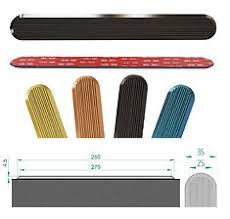
Polyurethane tactile studs are raised, dome-shaped floor indicators made from a tough but slightly flexible polymer. They sit on walking surfaces and help visually impaired pedestrians sense hazards, boundaries, or direction changes purely through what they feel underfoot.
Think of them as silent signage built into the floor itself.
Unlike stainless steel or brass studs, PU versions have a bit of give. They absorb foot pressure rather than fighting it. That small difference turns out to matter enormously in real-world conditions.
Why High-Traffic Floors Need a Tougher Solution
A metro platform. A hospital corridor. A shopping mall during a weekend sale. These spaces take punishment daily, thousands of footsteps, trolley wheels, cleaning equipment and spills.
Most rigid materials eventually crack, lift, or corrode under that kind of load. PU tactile studs handle it differently. Here is why:
• Flexibility under load: The polymer bends just slightly instead of cracking. No chipping, no brittleness over time.
• Wet surface grip: They are rough and have traction even on wet floors. Important on train platforms and building entrances.
• Quiet underfoot: Metal studs click. PU stays silent. Hospitals and transit stations genuinely benefit from that.
• Faster to install: Lighter weight means easier handling during fitting. Less labour time on site.
• Bonds to most surfaces: Concrete, stone, ceramic tile. PU studs adhere reliably across almost all standard flooring types.
The Real Benefits, Broken Down Simply
1. Durability That Actually Holds Up
Polyurethane resists UV rays, moisture, and constant wear without degrading quickly. Outdoor walkways, covered footpaths, open plazas all of these expose floor materials to sun, rain and foot traffic simultaneously. PU studs manage that combination well which reduces how often they need replacing.
2. Colour That Stays True
Tactile indicators need visual contrast with the surrounding floor to work properly. Not just for visually impaired users, but for sighted pedestrians too. PU tactile studs hold their colour far longer than you might expect, without fading into the background after a year of use.
3. They Meet Global Standards
Tactile Ground Surface Indicators (TGSIs) must comply with specific sizing, height, and spacing requirements under international accessibility guidelines. Quality polyurethane studs from reliable manufacturers meet those benchmarks. No workarounds needed.
4. Economical at Large Scale
When a metro network needs tens of thousands of studs across dozens of stations, material cost per unit starts to matter. PU tactile studs strike a practical balance between quality and price particularly well-suited for large infrastructure rollouts.
Where You Will Find Them Today
Polyurethane tactile studs are now standard across:
• Metro and railway stations
• Airport terminals
• Hospitals and clinics
• Shopping centres and retail spaces
• Schools, colleges, and university campuses
• Public footpaths and pedestrian crossings
Each setting shares one non-negotiable requirement: keeping people safe, consistently, across years of daily use.
MetalX Engineering: Three Decades of Getting This Right
MetalX Engineering has been manufacturing tactile accessibility products from its Mumbai facility for over 30 years. Their Polyurethane (PU) tactile studs, strips, and tiles are built to international standards and have been used in infrastructure projects across India and beyond.
Their product range covers everything from self-adhesive PU variants to brass, aluminium and stainless steel options, giving project teams the flexibility to match the right product to the right environment.
Accessibility Done Right: A Worthy Investment Every Time
Polyurethane tactile studs keep proving their worth in the toughest environments. Durable, compliant, cost-effective, and genuinely quiet underfoot. For any space that sees serious foot traffic, they represent one of the smarter long-term flooring decisions available today.
The right tactile indicator does not just meet a code requirement. It makes real life safer for real people, every single day.


Comments