
How Self-Adhesive Tactile Strips Simplify Installation in Modern Infrastructure
- eliteinformationte
- May 5
- 3 min read
Cities do not wait. A platform needs to be open by Monday. A hospital wing gets handed over mid-renovation. The accessibility checklist is sitting right there, and someone still has to figure out how to get tactile strips on the floor without shutting everything down.
That is the real problem. Self-adhesive tactile strips solve it better than most people expect.
What Are Self-Adhesive Tactile Strips?
They are textured surface indicators. Raised lines or dots that a visually impaired person can feel underfoot, giving them directional cues and hazard warnings as they move through a space.
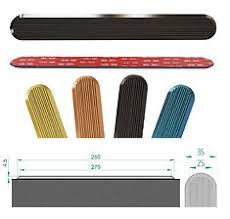
The difference with self-adhesive versions? No drilling. No anchors. No grout. Just a peel-and-stick backing (often 3M double-sided adhesive tape) is already applied to the strip. Peel, press, done.
Used everywhere, honestly. Metro platforms, airport corridors, hospital wards, shopping centres, ramps, bus terminals. Anywhere that sees foot traffic and values safety.
Why the Old Methods Cause Real Problems
Traditional tactile indicator installation is not quick. It involves drilling into the substrate, setting anchors, mixing epoxy and waiting for cure times. That is fine for a greenfield project with weeks of buffer time.
Retrofit work? Occupied buildings? Active public spaces? It falls apart fast. Here is what it usually means in practice:
• Longer project timelines that push back handover dates
• Dependency on skilled trades just for installation
• Risk of cracking or damaging expensive tiles and marble
• Higher combined cost of labour and materials
• Actual disruption to people using the space daily
Nobody is going to close a metro station for three days to fit safety strips. That is just not realistic.
How Self-Adhesive Tactile Strips Actually Help
MetalX Engineering Inc. has been making tactile accessibility products for three decades. Their self-adhesive tactile strips are built around one idea: installation should not be the hard part.
1. Zero Surface Penetration
Peel-and-stick installation means the floor stays intact. Heritage buildings, polished marble lobbies, premium tile work, all of it is safe. No drill holes to patch up afterward.
2. Fast. Genuinely Fast.
A properly organized crew can cover a large floor area in hours. Not days. For project managers watching a handover deadline, that kind of turnaround is not just convenient, it is critical.
3. Looks Like It Belongs There
No anchor bolts sitting proud of the surface. No grout lines gone wrong. The strips sit flush and clean. Visitors would never guess it was a retrofit job done under pressure.
4. Sticks to Almost Anything
Self-adhesive tactile strips bond well to:
• Ceramic and porcelain tiles
• Polished concrete floors
• Marble and granite
• Steel and aluminium surfaces
• Timber and composite finishes
5. Durable, Not Delicate
Easy installation does not mean it gives up after six months. These strips handle heavy foot traffic, moisture, daily cleaning routines, and weather exposure without peeling back or shifting position.
Where They Perform Best
Some situations are practically made for self-adhesive tactile indicators:
• Retrofit and upgrade projects where drilling is off the table
• Occupied buildings that cannot tolerate major disruption
• Heritage or premium-finish spaces needing a non-invasive fix
• Fast-track commissioning on tight infrastructure timelines
• Temporary setups for events, construction phases, or interim use
Materials, Options, and What MetalX Offers
MetalX Engineering Inc. stocks self-adhesive tactile strips across multiple finishes. High-contrast options for visibility. Neutral tones that blend with the flooring. The range works for both strict accessibility specifications and projects where aesthetics genuinely matter.
Their self-adhesive tactile studs pair directly with the strips so that teams can source a complete tactile indicator system from one place. Simpler procurement, consistent quality throughout.
Built to Meet Global Accessibility Standards
Every product MetalX makes is designed to align with international accessibility standards. That matters because compliant installations protect everyone. The users are navigating the space. The facility owners. The contractors are signing off on the work.
Accessible Infrastructure Should Not Be Complicated
Self-adhesive tactile strips are proof that a smart solution does not need to be complex. Faster installation, no surface damage, lower costs, cleaner results. They work across project types, surfaces, and timelines without demanding more than the situation allows.
MetalX Engineering brings thirty years of manufacturing experience to every product in its range. For professionals who need tactile accessibility solutions that actually fit real project conditions, that kind of track record is worth knowing about.
Access is not optional. Fortunately, it does not have to be difficult either.


Comments