
Stainless Steel Tactile Tiles for Metro Stations and Airports
- eliteinformationte
- Mar 25
- 4 min read
Metro stations and airports are some of the common transport facilities that witness thousands of people on a daily basis. In such hectic environments, accessibility and safety are no longer a choice. The use of stainless steel tactile tiles is vital in directing the visually impaired people, as well as being durable throughout the heavy foot traffic. These tiles, when properly installed, will enhance navigation, minimize accidents, and adhere to the standards of accessibility.
At MetalX Engineering Inc., we are aware of the special demands of the infrastructure with large traffic. Our stainless steel tactile tiles are made to suit a high-performance level of such demanding environments as metro platforms, airport terminals, escalator approaches, and boarding areas where safety has to match long-term performance.
What Makes Stainless Steel Tactile Tiles an Ideal Choice for High-Traffic Areas?
Airports and metro stations experience regular traffic of people as well as luggage wheels, cleaning machines, and environmental conditions. Earlier materials have the possibility of getting broken, discolored, or loose. A viable alternative is stainless steel.
The Main Benefits of Stainless Steel Tactile Tiles
● Extreme resistance to constant foot traffic
● The tiles exhibit good resistance to corrosion, moisture, and temperature variation.
● The flooring features anti-slip properties to enhance safety.
● Minimal maintenance requirements
● Long service life with consistent performance
Stainless steel tactile tiles do not easily wear out as compared to plastic or ceramic tiles. This will guarantee visually impaired travelers a clear sense of touch even after years of use.
Applications in Metro Stations
Metro platforms demand precise guidance systems. Tactile tiles made of stainless steel are usually fitted at the edges of the platforms, staircases, ramps, and ticket counters.
Platform Edge Warning Systems
Dome-shaped tactile tiles warn passengers as they step on the platform edges. This lessens the chances of accidental falls to a significant extent. The excellent connection between the tile and the flooring material makes them stay in their position even when there is vibration from passing trains.
Directional Guidance Paths
Linear tactile strips guide passengers safely through entry points to ticket machines, lifts, and exits. These routes enhance reliability and autonomy for both the daily commuters and the first-time visitors.
MetalX Engineering Inc. produces tiles of high-quality standards that can be used by the authorities of the metro to build well-integrated transportation systems.
Applications in Airports
Airports are places that contain various terminals, long aisles, security checkpoints, and boarding gates. These large areas have structured guidance with the use of stainless steel tactile tiles.
Terminal Navigation
Directional tactile tiles are used to ensure that visually impaired passengers do not get lost in their movement between the check-in counters and the security and departure gates.
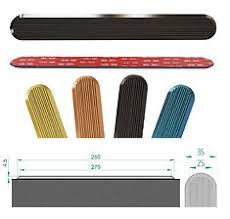
Escalators and Staircases
Warning tiles that are put on the top and bottom of the stairs and escalators warn against missteps. High-stress travel settings truly require this layer of safety.
Stainless steel is also aesthetically attractive to airports. The smooth finish goes well with the modern architecture designs and does not lack functionality.
Adherence and Safety Measures
Public infrastructure projects must adhere to all accessibility measurements. The stainless steel tactile tiles are made to comply with the ADA (Americans with Disabilities Act) and other international guidelines concerning the height, space gap, and resistance to slipping.
The selection of a competent manufacturer can achieve good dimensions and installation support. MetalX Engineering Inc. offers technical advice to contractors and architects so that projects are not delayed due to meeting regulatory requirements.
Installation and Long-Term Value
Surface-mounted tiles may be used or embedded in the floor, depending on the type of flooring. If placed effectively, stainless steel Tactile tiles can provide the following:
1. Strong adhesion to concrete and stone surfaces
2. Resistance to heavy luggage wheels and carts
3. Easy cleaning without surface damage
Stainless steel is a good option, though the initial cost might be higher than that of other materials; the long-term savings of money spent on repair and replacement will be worth it.
Conclusion
Metro stations and architectural airports today genuinely require stainless steel tactile tiles as a necessity, not as an option. They prioritize safety, accessibility, and sustainability for people in crowded areas. Having a higher strength, corrosive ability, and longer service life, these tiles provide reliable guidance in the coming years.
When you are planning an infrastructural project that requires reliability when it comes to tactile solutions, collaborate with MetalX Engineering Inc. so that you can have high-quality stainless steel tactile tiles, which are performance and compliance-oriented. Please contact us to enhance the safety and accessibility of the transportation facilities in your area.
FAQs
1. Why do metro stations preferably use stainless steel tactile tiles nowadays?
They are very durable, resistant to slipping, and long-term, as far as heavy foot traffic is concerned.
2. Are stainless steel tactile tiles appropriate on the outside of the airports?
Yes, they are resistant to corrosion and can work in different weather conditions.
3. Do these tiles follow accessibility measurements?
Stainless steel Tactile tiles are of quality and meet ADA and other safety guidelines.
4. What is the durability of stainless steel tactile tiles?
They can be used for many years without losing their effectiveness, provided that they are properly installed and maintained.

Comments