
How to Choose Between Polyurethane and Stainless-Steel Tactile Studs for Your Project
- eliteinformationte
- Feb 9
- 4 min read
Updated: Feb 12
Choosing the right tactile studs is an important decision for any project that prioritizes accessibility, safety, and compliance with universal design standards. From railway platforms and airports to shopping malls, hospitals, offices, and public walkways, tactile indicators help visually impaired individuals navigate spaces confidently while improving overall pedestrian awareness.
Among the most commonly used materials, polyurethane and stainless steel stand out for their performance and reliability. While both serve the same purpose, they differ in durability, appearance, installation method, cost, and ideal application areas. Understanding these practical differences will help you select the right option for your specific project requirements.
This guide explains how to make an informed choice between polyurethane and stainless-steel tactile studs in a way that supports long-term safety and functionality.

Why Material Choice Matters for Tactile Studs
Tactile studs are designed to provide warning and directional cues that can be felt underfoot or with a cane. These indicators are placed near hazards such as staircases, platform edges, ramps, and crossings. Because they are constantly exposed to foot traffic, environmental conditions, and wear, the material used plays a major role in their performance and lifespan.
Your decision should depend on where the studs will be installed, how much traffic they will face, and what kind of finish or appearance you want in the space.
Where Polyurethane Tactile Studs Work Best
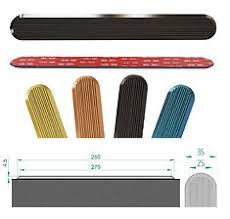
In many indoor and semi-covered environments, polyurethane tactile studs are preferred because of their flexibility, grip, and cost efficiency. Made from durable plastic or rubber-like material, they are designed to offer high slip resistance and visual contrast.
Practical Benefits
Excellent Grip and Slip Resistance
Polyurethane naturally provides strong traction, which makes it ideal for smooth flooring like tiles, marble, or granite.
Quick and Easy Installation
These studs are lightweight and easier to install without extensive drilling, saving time during large installations.
Noise-Free Surface
They do not produce sound when stepped on, which is beneficial in quiet spaces such as hospitals, libraries, and offices.
Color Visibility
Available in various colors, they enhance visibility for partially sighted individuals and allow better contrast with the flooring.
Budget-Friendly for Large Areas
For projects requiring a large number of studs, polyurethane is a cost-effective option.
Suitable Locations
• Hospitals and healthcare centers
• Schools and educational institutions
• Office buildings and residential complexes
• Indoor shopping areas
• Smooth floor surfaces where slip resistance is critical
Where Stainless Steel Tactile Studs Are More Suitable
For outdoor spaces and high-traffic public areas, stainless steel tactile studs are widely used due to their strength and long lifespan. These studs are built to withstand harsh weather conditions and heavy pedestrian movement without deterioration.
Practical Benefits
High Durability
They handle constant foot traffic, heavy loads, and rough usage without losing shape or effectiveness.
Weather and Corrosion Resistance
Ideal for areas exposed to rain, sunlight, dust, and temperature variations.
Premium Metallic Appearance
They blend well with stone, concrete, and modern architectural finishes, giving a clean and professional look.
Long-Term Performance
Once installed, they require minimal maintenance and rarely need replacement.
Strong Anchoring
Their firm fixing method ensures stability in demanding environments.
Suitable Locations
• Railway and metro stations
• Airports and bus terminals
• Outdoor pavements and walkways
• Mall entrances and public plazas
• Areas with very high footfall
Key Factors to Help You Decide
1. Indoor vs Outdoor Installation
Indoor spaces usually benefit from polyurethane due to grip and comfort, while outdoor areas demand the strength of stainless steel.
2. Expected Foot Traffic
Moderate traffic areas can rely on polyurethane, but heavy pedestrian zones require stainless steel.
3. Flooring Surface
Tiles and polished floors work well with polyurethane studs. Concrete, stone, and rough surfaces are better suited for stainless steel.
4. Visual and Design Preference
If color contrast is important, polyurethane is ideal. If you prefer a sleek metallic finish, stainless steel fits better.
5. Project Budget
Polyurethane offers a cost advantage for large installations, while stainless steel is a long-term investment.
6. Maintenance Considerations
Polyurethane may need replacement in high-use zones over time. Stainless steel typically lasts much longer with minimal upkeep.
Can You Use Both in the Same Project?
Yes. Many projects combine both materials strategically. Polyurethane can be installed in indoor corridors and tiled areas for comfort and grip, while stainless steel can be used at entrances, outdoor paths, and high-traffic points for durability. This balanced approach ensures safety, cost efficiency, and long-term performance.
FAQs
1. Which option is more slip-resistant?
Polyurethane offers higher natural grip, making it better for smooth indoor floors where slip resistance is essential.
2. Are stainless steel studs affected by rain and sunlight?
No. They are specifically designed to resist corrosion and weather exposure, making them perfect for outdoor use.
3. Do polyurethane studs wear out quickly?
Not in normal conditions. They perform very well in moderate traffic areas but may need replacement sooner in heavy-traffic zones.
4. Is installation complicated for stainless steel studs?
They require precise drilling and fixing, but once installed, they provide long-term stability and durability.
Choosing between polyurethane and stainless-steel tactile studs should be based on practical needs rather than preference alone. By evaluating your environment, traffic conditions, flooring type, and maintenance expectations, you can select the right tactile solution that ensures accessibility, safety, and reliability for years to come.


Comments